
What Is the Best Steel Panel Radiator for Global Buyers?

Choosing the best Steel Panel Radiator for global buyers is not simply a matter of selecting the highest heat output. Room size, water temperature, steel thickness, panel design, coating quality, and installation conditions all influence real performance. A radiator that works efficiently in a well-insulated London apartment may perform differently in a cold warehouse or a coastal home.

There is no universal winner. That matters.

Heating engineer and radiator specialist Mark McManus offers a useful practical reminder: “The radiator is only one part of the heating system.” His point reflects an important industry reality. Buyers should examine the complete specification, not only the catalogue output. A reliable Steel Panel Radiator should provide consistent heat, stable welds, clean finishing, suitable connection options, and clear testing information. Packaging also deserves attention. Bent corners or scratched powder coating can appear after long-distance shipping.

Global procurement requires more than technical comparison. Export experience, documentation, quality control, replacement support, and communication can affect the final cost. EN 442 testing may support comparison, but buyers should still confirm the applicable requirements in their destination market. Product claims should be checked against test reports and factory records.

Some recommendations remain uncertain without project data. Even experienced suppliers can misjudge heat demand when insulation, glazing, or local climate information is incomplete. The better approach is careful. Share room dimensions, design temperatures, water conditions, and connection preferences before ordering. The best radiator is not always the largest or cheapest. It is the model that fits the building, system, budget, and delivery reality with fewer surprises.
What Is the Best Steel Panel Radiator for Global Buyers?

Steel Panel Radiators: Definition, Structure, and Operating Principles

What Is the Best Steel Panel Radiator for Global Buyers?

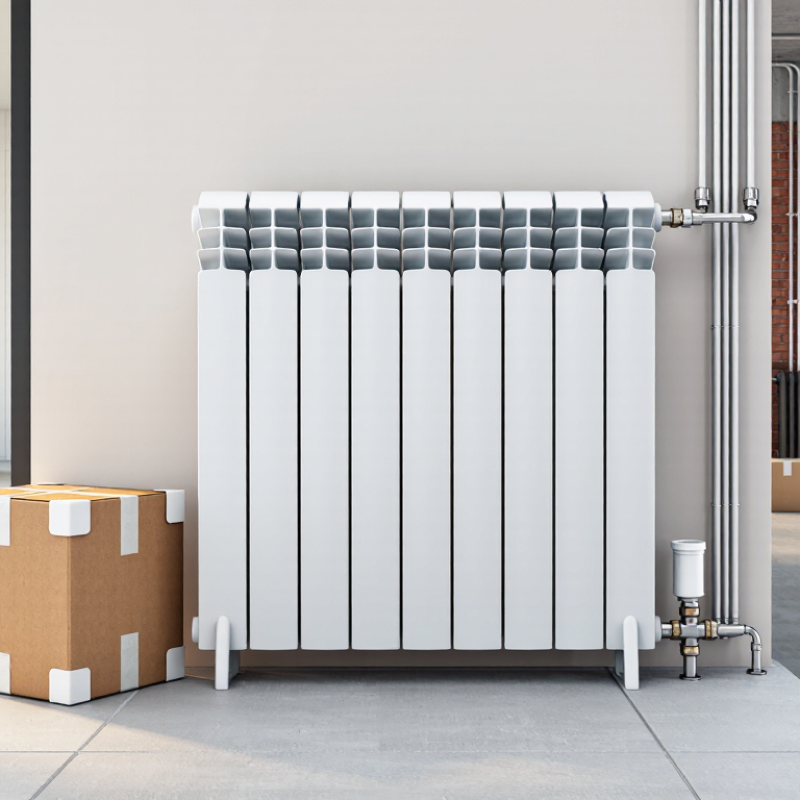
A steel panel radiator is a wall-mounted heating unit made from pressed steel sheets. Its panels form internal water channels, while welded seams keep the circuit sealed. Many models include convector fins behind the front panel. These fins enlarge the contact area and help warm room air faster.

The operating principle is simple. Hot water enters through an inlet connection and flows across the steel channels. Heat passes through the panel surface and reaches the room by radiation. Convector fins then move warmer air upward. Cooler air replaces it from below. Performance depends on water temperature, panel size, insulation, and airflow around the unit. In practice, a radiator that looks powerful may perform poorly in a badly insulated room.

Tips: Check heat output under the correct testing standard, not only the product label. Confirm connection positions, operating pressure, coating quality, and corrosion protection. Global buyers should also review local installation rules and water conditions. A compact radiator may suit a bedroom, but a larger room needs careful heat-loss calculation.

Steel thickness, weld consistency, and paint adhesion affect service life. Ask for pressure-test records and material documentation from the supplier. I have found that installation details often matter as much as the radiator itself. Leave clear space below and above the unit. Do not cover it with thick curtains. No design is perfect. Some published output figures can change in real homes. Reliable selection requires both technical data and practical judgment.

Steel Panel Radiators: Definition, Structure, and Operating Principles

This chart compares representative heat outputs for common steel panel radiator configurations. Values are shown in watts per metre at the EN 442 reference condition of ΔT50, where the average radiator water temperature is 70°C and the room temperature is 20°C. Actual output varies with radiator height, length, water temperature, and manufacturer-tested construction.

Key Performance Factors for Comparing Steel Panel Radiators

What Is the Best Steel Panel Radiator for Global Buyers?

The best steel panel radiator depends on measured performance, not appearance alone. Compare heat output at the same water temperature and room conditions. A radiator rated at ΔT50 may perform differently in a low-temperature heating system. Check panel type, such as 11, 22, or 33, because construction affects output, depth, and weight. Confirm working pressure and maximum temperature before selecting a model for apartments, hotels, or commercial buildings. These details are easy to overlook.

Corrosion resistance also matters in humid coastal regions. Look for tested coating systems, clean welds, and consistent surface treatment. Ask for independent test reports, dimensional drawings, and installation instructions.

Reliable suppliers should explain tolerance, packaging, delivery protection, and warranty terms clearly. Compatibility with thermostatic valves can reduce energy waste. I have seen buyers focus on price, then discover that replacement brackets are unavailable. That is an expensive lesson.

Tips: Compare heat output, not only panel size. Check pipe connections and wall clearances. Request samples or inspection photos when practical. Confirm the test standard used, because ratings are not always directly comparable. A smaller radiator may suit a low-demand room, while a deeper model may provide stronger output. There is no universal winner. Climate, building insulation, water temperature, and local regulations can change the decision.

How to Choose the Right Radiator Size and Panel Configuration

Choosing a steel panel radiator starts with the room, not the product catalogue. Measure length, width, ceiling height, window area, and insulation quality. A cold corner beside a large window may need more output than its floor area suggests. Calculate heat loss in watts, then compare it with the radiator’s output at the actual water temperature. Do not rely on a nominal rating alone. That rating may use a higher test temperature than your heating system. This is where many purchasing decisions become inaccurate.

Panel configuration changes both heat delivery and depth. Type 11 has one panel and one convector, so it suits narrow spaces. Type 21 adds a second panel, offering more output without excessive depth. Type 22 is a practical choice for bedrooms and living rooms with moderate wall space. Type 33 provides strong output, but it is heavier and projects farther into the room. Check bracket strength and furniture clearance. Small room, big radiator? Not always wise.

For global buyers, confirm dimensions, pipe connections, valve position, working pressure, and corrosion protection. Regional standards can differ. Ask for tested output data at your operating temperatures. A lower-temperature heat pump may require a longer or deeper radiator. I once saw a compact model selected beautifully, yet it underheated the room because the calculation ignored glazing. A tidy specification can still be wrong. Leave some design flexibility, but do not guess; a qualified heating professional should verify the final selection.

Global Standards, Energy Efficiency, and Installation Requirements

What Is the Best Steel Panel Radiator for Global Buyers?

A suitable steel panel radiator must meet the heating rules of its destination market. Check declared output under recognized standards, such as EN 442, before comparing prices. Local building codes may also require specific pressure ratings, coatings, or safety clearances. These details are easy to overlook during international purchasing.

Energy performance depends on more than the radiator itself. A correctly sized panel can heat a room without excessive water temperature. Ask for heat-loss calculations based on window area, insulation, outdoor climate, and room use. Thermostatic valves help control comfort and reduce wasted energy. In practice, a radiator near a cold window often feels more effective. Still, a perfect calculation is rare. Recheck the result after installation.

Tips: Confirm pipe connections, wall strength, valve positions, and available installation space. Measure carefully. Leave enough clearance for cleaning and airflow. Use qualified installers who understand local systems and pressure testing. Inspect the coating for scratches before mounting, especially after long-distance shipping. Request technical drawings, test records, maintenance guidance, and material information from the supplier. These documents improve traceability and make future replacement easier.

Supplier Evaluation, Total Cost, and Best-Use Recommendations

For global buyers, the best steel panel radiator is rarely the cheapest unit on a quotation. In supplier evaluations, I check panel thickness, weld consistency, coating adhesion, valve compatibility, and test documentation. Ask for heat-output data at the intended temperature difference, not only a catalog headline. Request samples from the same production line. A neat sample can hide unstable batch control. That matters. Confirm steel grade, corrosion protection, packaging, and replacement-part availability. The supplier should explain tolerances clearly. Vague answers deserve a lower score.

Total cost begins after purchase order approval. Add tooling, inspection, inland transport, ocean freight, insurance, duties, storage, installation, and possible returns. A radiator with a lower factory price may cost more when damaged cartons arrive in a remote warehouse. I compare landed cost per delivered watt, not price per piece. Use a spreadsheet with conservative freight and exchange-rate assumptions. Recheck it. Also calculate labor for brackets, air bleeding, and commissioning. Some buyers overlook incompatible thermostatic valves, then pay for adapters and delays. Local standards and pressure requirements must be verified before shipment.

Best-use recommendations depend on the building, climate, and maintenance skill. Compact double-panel models suit bedrooms, offices, and moderate spaces needing steady output. Higher-output configurations work better in colder rooms, but they demand stronger wall supports and careful airflow clearance. For humid coastal projects, coating quality and storage conditions deserve extra attention. For public or rental buildings, choose a supplier with traceable batch records and responsive technical support. I would not approve a supplier from price alone. One weakness remains: long-term corrosion performance is difficult to judge from a short sample test. Independent inspection helps, yet it also adds cost. That trade-off should be documented.