What is a Cylindrical Gearbox and Its Applications?
Cylindrical Gearboxes are essential components in various mechanical systems. They transmit power effectively, converting input speed into output torque. This process is critical for many applications, from automotive to industrial machinery.
Understanding the workings of a cylindrical gearbox can be complex. Their design typically involves cylindrical gears arranged to ensure smooth operation. The materials used in construction matter greatly for durability and efficiency. Nonetheless, challenges exist, such as wear and noise during operation.
Applications of cylindrical gearboxes vary widely. They are found in conveyor systems, wind turbines, and robotics, among others. Each application has unique requirements that a cylindrical gearbox must meet. This versatility showcases their reliability and significant role in modern engineering.
What is a Cylindrical Gearbox?
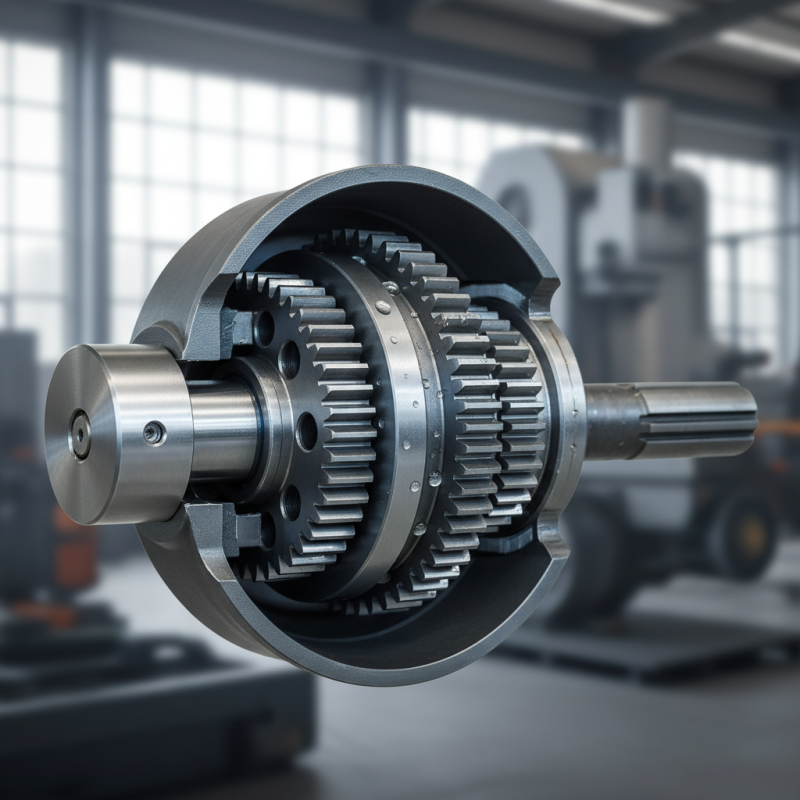
A cylindrical gearbox is a mechanical device that uses cylindrical gears to transmit power and torque between shafts. This type of gearbox is known for its efficiency and durability. The design typically features parallel shafts, which allows for a compact form factor. The gears inside are often helical or spur gears, tailored to meet specific performance needs.
These gearboxes find applications in various industries. They are commonly used in machinery, robotics, and automotive systems. For example, in manufacturing, they drive conveyor belts and automate processes. The smooth operation of these gearboxes minimizes wear and enhances machine longevity. However, users must consider factors like load requirements and environmental conditions.
Maintenance can sometimes be overlooked. Regular checks for wear and lubrication are crucial. A neglected gearbox can lead to failure and costly repairs. Proper installation and alignment are equally critical to ensure optimal performance. Understanding these details can help users make informed decisions about their cylindrical gearbox needs.
Key Components of a Cylindrical Gearbox
Cylindrical gearboxes play a crucial role in various industries. Their design features several key components, including cylindrical gears, bearings, and housings. The cylindrical gear is fundamental. Its teeth are arranged parallel to the axis of rotation, providing a smooth transfer of motion. The alignment allows for high efficiency, often exceeding 95%, according to industry reports.
Bearings support the gears, reducing friction during operation. They come in different types, such as roller and ball bearings. Their choice affects the gearbox's durability and performance. According to data from the Machinery Manufacturers Association, proper bearing selection can improve lifespan by 30%.
Housings provide structural support and contain the internal components. They protect against dust and debris, crucial in harsh environments. However, designs may vary based on application needs. Some gearboxes may face challenges, such as overheating in high-load scenarios. Regular maintenance can mitigate this, but many overlook the importance of routine checks. Ignoring these aspects may diminish efficiency and lead to premature failures.
Advantages of Using Cylindrical Gearboxes in Industry
Cylindrical gearboxes are essential components in various industries. Their design allows for efficient torque transmission and speeds. These gearboxes have several advantages, making them a popular choice for heavy machinery and automotive applications. They provide high efficiency, which can significantly reduce energy consumption.
The compact design of cylindrical gearboxes also saves space and weight. This is crucial in environments where every inch counts, like aircraft or automotive engines. They can handle high loads while maintaining performance. With minimal maintenance needs, they are reliable and cost-effective in the long run.
**Tip:** Regular inspections can enhance the lifespan of these gearboxes. Check for wear and proper lubrication to avoid unexpected failures. Understanding the limits of your gearbox is key.
Consider the specific requirements of your application. Not every cylindrical gearbox fits every use case. A mismatch can lead to performance issues or mechanical failure. Reflect on your operations and optimize accordingly.
**Tip:** Analyze the load conditions and adjust gearbox selection to align with your machinery’s needs. Continuous learning is beneficial in selecting the right equipment.
Common Applications of Cylindrical Gearboxes in Machinery
Cylindrical gearboxes play a crucial role in various machinery applications. Their design allows for efficient power transmission, making them ideal for industries such as manufacturing, automotive, and construction. These gearboxes can effectively reduce speed and increase torque, which is essential in heavy machinery operation.
A typical application is in conveyor systems. Here, cylindrical gearboxes provide the necessary force to move materials smoothly. They also find use in robotics, where precise control over movement is required. In wind turbines, these gearboxes convert low-speed turbine rotation into higher-speed generator input. This is vital for efficient energy production.
Tips: When selecting a cylindrical gearbox, consider the load requirements. Gearbox efficiency can vary based on design and materials. Regular maintenance is essential for long-term performance. Always evaluate the gearbox's thermal management to avoid overheating during intensive operations.
What is a Cylindrical Gearbox and Its Applications?
| Application Area | Description | Common Features | Advantages |
| Automotive | Used for power transmission in vehicles. | High efficiency, compact design. | Improved performance, reduced noise. |
| Industrial Machinery | Used in conveyor systems and production lines. | Durable construction, various gear ratios. | Reliability, flexibility in design. |
| Robotics | Essential for movement and control in robotic arms. | Precision, responsive performance. | High accuracy, enhanced maneuverability. |
| Agricultural Equipment | Used in tractors and harvesting machines. | Weather-resistant materials, efficient torque transfer. | Durability, optimized performance under load. |
| Material Handling | Used in lifts, cranes, and hoists. | Heavy-duty construction, various mounting options. | Safety, reliability in lifting operations. |
Industry Standards and Specifications for Cylindrical Gearboxes
Cylindrical gearboxes are critical in various industrial applications. They offer reliability and efficiency in torque transmission. Adhering to specific industry standards is vital for their performance and safety. Key standards include ISO 9001 for quality management systems and ISO 6336 for gear strength calculations. These standards ensure that gearboxes can withstand operational stresses.
The American Gear Manufacturers Association (AGMA) provides specifications that guide the design of cylindrical gearboxes. According to AGMA, gearboxes must meet defined load and performance criteria. For example, the AGMA 2001 standard emphasizes the importance of efficiency rates above 98%. This requirement highlights the ongoing pursuit of energy conservation and improved operational performance.
However, not all gearboxes achieve these efficiency levels. Some regions may still rely on outdated designs. Such inefficiencies can lead to increased energy costs and mechanical failures. Regular audits and updates to machinery are essential to meet modern standards. Ensuring compliance can mitigate risks associated with gear failure and enhance overall system reliability.