China Best Thermostatic Valve Supplier How to Choose?
Choosing the best Thermostatic Valve supplier in China requires more than comparing prices or polished product photos. A reliable decision begins with real application needs, including pipe size, pressure range, temperature accuracy, connection type, and heating system design. A valve installed in a hotel room may face different demands than one used in an apartment project.
Energy-efficiency expert Amory Lovins said, “The cheapest, cleanest, and safest energy is energy efficiency.” A quality Thermostatic Valve supports this goal by adjusting water flow as room temperatures change. However, performance depends on more than the valve body. The sensing element, calibration process, material quality, and installation guidance also matter.
Look for suppliers with documented factory experience. Ask for technical drawings, test reports, material specifications, and samples from the same production line. Check whether the factory controls brass machining, spring assembly, and temperature calibration internally. A sample should respond smoothly when the room temperature changes, not stick halfway. Small details matter.
Certifications help, but they do not replace verification. Request references from similar heating projects and inspect warranty terms carefully. Some suppliers promise “high precision” without explaining the test method. That should raise questions. A lower quotation may hide weaker seals, inconsistent threads, or limited after-sales support.
There is no perfect supplier.
A practical buyer should compare quality, communication, production capacity, and long-term reliability together. Factory audits, independent testing, and a controlled trial order can reduce unnecessary risk. The best choice is not always the cheapest Thermostatic Valve manufacturer. It is the partner that can repeatedly deliver safe, accurate, and well-supported products.
Classify Thermostatic Valves by Use, DN15–DN25 Size, and Control Type
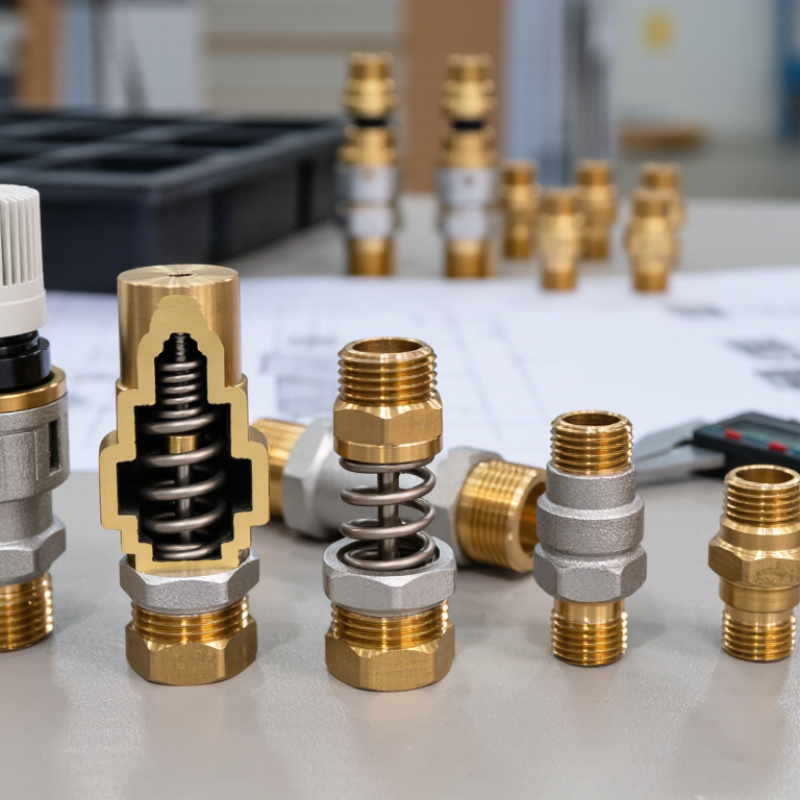
Choosing a thermostatic valve supplier starts with understanding the installation. Radiator systems often use DN15 valves, while larger heating circuits may require DN20 or DN25 connections. Measure the pipe diameter before comparing quotations. A small mismatch can cause leakage, poor control, or expensive rework.
Classify valves by use, control type, and working conditions. Manual thermostatic valves suit simple radiator adjustments. Remote-sensor models help when curtains or furniture block the radiator head. Electronic versions offer programmable temperature control, but they need reliable power and careful commissioning. For domestic heating, check temperature range, body material, pressure rating, and connection standard. In commercial systems, ask for test records, dimensional drawings, and clear installation instructions. Specifications matter more than polished sales language.
Tips:
Confirm the DN size from the actual pipe, not an old drawing. Test the valve at low and high settings. Listen for water noise. A useful supplier should explain flow direction, sensor placement, and maintenance steps. Ask for samples when the application is unfamiliar.
I have seen technically suitable valves perform poorly because the sensor was installed behind a thick curtain. That detail is easy to miss. Also, supplier claims should be checked against traceable quality documents and realistic delivery terms. Cheap pricing may hide inconsistent tolerances, although higher pricing does not guarantee better control. Review the evidence carefully.
Verify EN 215 Compliance, ISO 9001 Certification, and 1.0 MPa Pressure Ratings
Choosing a thermostatic valve supplier requires more than comparing prices and delivery dates. EN 215 compliance is a practical starting point. It indicates that the valve has been assessed against recognized performance requirements for thermostatic radiator valves. Ask for the complete test report, certificate number, issuing laboratory, and applicable product model. Do not accept a general statement that “all valves meet EN 215.” The exact model matters.
ISO 9001 certification can reveal how consistently a supplier controls design, purchasing, inspection, and production. Check the certificate’s scope, validity period, and certification body. A certificate alone does not prove every valve is reliable. Request batch records, material details, and inspection results. Look closely at the pressure rating. A 1.0 MPa rating should match the product datasheet and test conditions, including temperature limits. Confirm that it suits your building’s real operating pressure, not only the maximum figure printed on a label.
Ask for samples. Check thread accuracy, sensor response, handwheel movement, and leakage after installation. Small details matter. Suppliers should explain tolerances clearly. One weakness in many purchasing decisions is trusting documents without checking traceability. That mistake is easy to make. A capable supplier can connect each shipment to production records and quality checks. If answers remain vague, pause the order and request independent verification. Reliable technical communication often reflects reliable manufacturing control.
How to Choose the Best Thermostatic Valve Supplier in China
Verify EN 215 compliance, ISO 9001 certification, and a 1.0 MPa pressure rating before supplier selection.
The chart presents three essential verification criteria. A score of 100 means the criterion should be supported by documented evidence, not that it represents a supplier performance score. EN 215 relates to thermostatic radiator valve performance, ISO 9001 verifies the supplier's quality management system, and 1.0 MPa equals 10 bar or 1,000 kPa.
Assess Factory Capacity Through MOQ, Lead Time, and 100% Pressure Testing
China Best Thermostatic Valve Supplier: How to Choose?
Factory capacity becomes clearer when you examine MOQ, lead time, and pressure testing records. MOQ is not merely a sales figure. A very high MOQ may indicate limited production flexibility or heavy dependence on one production line. Ask how many thermostatic valves the factory assembles daily. Check whether machining, assembly, and packaging are handled onsite. These details reveal practical capacity better than polished brochures.
Lead time should be explained step by step. Request separate estimates for raw materials, machining, assembly, testing, and shipment preparation. A reliable supplier should identify peak-season risks and provide realistic dates. Short promises can be attractive, but they may hide rushed inspections. I have seen purchasing teams focus on price and overlook delayed components. That mistake can disrupt an entire installation schedule.
Tips: Request a written MOQ basis for each valve model. Ask for recent production records and calibrated testing equipment certificates. Confirm that every valve receives a pressure test, not only sampled units. The supplier should record test pressure, holding time, operator, and result for each batch or unit. A clear 100% pressure-testing process improves traceability, but it is not perfect alone. Review failed-test handling, rework records, and final inspection photos. These small checks often separate real factory capability from confident sales language.
Select Suppliers Offering Samples, 5-Year Warranties, and Global Support
China Best Thermostatic Valve Supplier: How to Choose?
The International Energy Agency reports that buildings consume about 30% of global final energy. Heating control deserves careful attention. Choose a supplier that provides working samples before bulk orders. Test temperature stability, thread accuracy, flow response, and noise on your own pipework. A sample may look perfect, yet installation can reveal weak seals or uneven adjustment. Small details matter.
A five-year warranty shows confidence, but the wording matters more than the number. Request coverage for leakage, actuator failure, corrosion, and replacement labor. Confirm response times and spare-parts availability in writing. Suppliers should provide testing records, material specifications, and compliance documents such as EN 215 references. ISO 9001 certification can support process reliability, but it does not replace product testing.
Global support must be practical. Ask for multilingual manuals, remote troubleshooting, regional service contacts, and stable replacement parts. The International Energy Agency’s buildings analysis links better efficiency with stronger building performance management. Still, supplier claims need verification. Compare sample results, warranty terms, delivery records, and customer references from similar climates. Do not trust attractive promises alone.