How to Optimize Your ASRS Shuttle System for Efficiency?
The efficiency of an Asrs Shuttle System is crucial for modern logistics operations. According to the Material Handling Industry report, fully optimized systems can increase throughput by 30%. This improvement directly impacts inventory turnover and overall warehouse productivity. However, many facilities struggle to achieve this efficiency. Poor integration and outdated technology often hamper performance.
Recent studies indicate that 70% of ASRS systems underperform due to inadequate system design or irregular maintenance. An ASRS Shuttle System requires ongoing optimization to meet growing demands. It isn’t merely a matter of setup; dynamic adjustments are critical. Variables like load sizes, picking speed, and shuttle paths must align with business needs.
Moreover, industry feedback highlights a lack of real-time data analytics, which prevents performance monitoring. Companies that utilize data-driven decisions report a 25% increase in operational efficiency. This demonstrates the need for further exploration and refinement in ASRS Shuttle Systems. Addressing these complexities can lead to real gains in resource allocation and cost reduction.
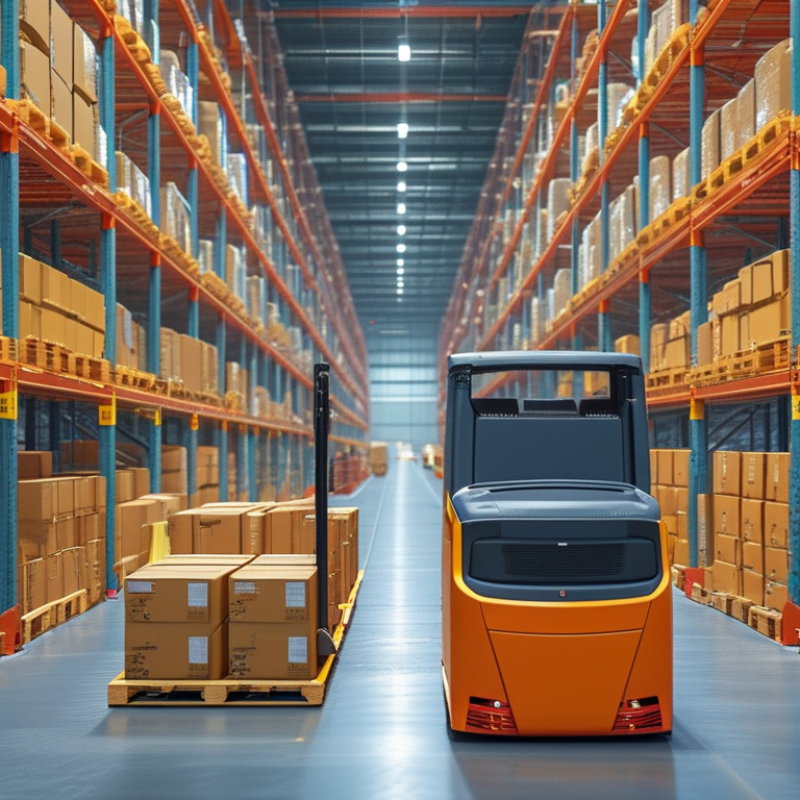
Understanding ASRS Shuttle Systems: Key Components and Functions
ASRS (Automated Storage and Retrieval Systems) shuttle systems are vital in modern warehousing. These systems utilize shuttles that move autonomously, transporting goods between storage and picking areas. Understanding their key components helps to harness their full potential. A shuttle’s design typically includes a drive mechanism, sensors, and a control interface. These elements work together to ensure efficient operation and rapid throughput.
The central role of shuttles is to minimize travel time. They can navigate multiple aisles simultaneously, optimizing space and labor. However, shuttles require maintenance and fine-tuning. Neglecting this can lead to inefficiencies or delays. Sensor misalignment can cause navigation errors, disrupting the entire workflow. Regular checks on each component can prevent these issues.
Data integration is another crucial aspect. Connecting the shuttle system with inventory management software enhances visibility and control. Real-time monitoring allows for prompt responses to issues. Yet, relying solely on technology has pitfalls; if the system fails, manual intervention is essential. Balancing automated processes with human oversight often leads to better decision-making and resilience.
Identifying Efficiency Metrics for ASRS Operations
Efficient operations in Automated Storage and Retrieval Systems (ASRS) are vital for maximizing productivity. Identifying the right efficiency metrics is essential. Key metrics often include throughput, retrieval times, and system downtime. Measuring these elements can bring valuable insights.
Throughput refers to the number of items processed in a given timeframe. Tracking this metric allows operators to spot workflow bottlenecks. If throughput is low, it might indicate issues such as improper item placement or insufficient staffing. Retrieval times are another critical factor. Long retrieval times can frustrate workers and slow operations. Analyzing patterns in delays can highlight areas for improvement, such as equipment maintenance or training needs.
System downtime, both planned and unplanned, also impacts efficiency. It's crucial to identify patterns or recurring problems. If downtime exceeds expectations, an evaluation is necessary. Could better predictive maintenance help? Reflecting on these metrics provides clarity. Implementing changes based on data can reduce inefficiencies and enhance ASRS effectiveness over time.
Monitoring these metrics diligently helps create a more responsive ASRS environment.
Strategies for Optimizing Shuttle Routes and Load Management
Optimizing shuttle routes and load management in an Automated Storage and Retrieval System (ASRS) can lead to significant efficiency gains. To start, consider evaluating existing shuttle routes. Often, routes can become inefficient over time. Analyze travel times, and identify areas where rerouting could save seconds or even minutes per trip.
Tips: Utilize simulation software to model different routing scenarios. This tool helps visualize efficiency improvements before implementing changes.
Load management is equally crucial. Assess how much each shuttle carries. Overloaded shuttles can slow down operations, while underloaded trips waste resources. Strive for the optimal load that maintains speed without exceeding capacity.
Tips: Use real-time data analytics to monitor load trends. Adjustments based on this data can enhance performance.
Encourage routine reviews of these strategies. Not every approach will yield immediate results. Be open to refining methods based on observed performance. Experimentation will help identify what best suits your operation.
Implementing Advanced Technologies for Enhanced Performance
To enhance the performance of Automated Storage and Retrieval Systems (ASRS), focusing on advanced technologies is essential. Integrating real-time data analytics can significantly improve operational efficiency. According to a recent study by Logistics Management, companies leveraging data-driven insights can boost warehouse productivity by up to 20%. This level of efficiency suggests a transformative potential for ASRS systems.
Moreover, adopting machine learning algorithms enables predictive maintenance, reducing downtime. Research by the Warehousing Education and Research Council (WERC) indicates that predictive maintenance can cut maintenance costs by 30%. However, implementing such technologies requires skilled personnel. A shortage of expertise in this area might hinder effective deployment. Advanced systems must be complemented by proper staff training to harness their full potential.
Despite the benefits, not all transitions to advanced technologies are seamless. Some organizations face integration challenges with existing systems. A report from the Council of Supply Chain Management Professionals (CSCMP) highlights that nearly 29% of companies experience integration issues during tech upgrades. Such challenges emphasize the need for thorough planning and continuous evaluation to adapt to evolving technologies. Balancing innovation with practical execution plays a crucial role in maximizing ASRS efficiency.
Regular Maintenance Practices to Sustain ASRS Efficiency
Regular maintenance is crucial for the operation of Automated Storage and Retrieval Systems (ASRS). Research shows that proper upkeep can enhance system efficiency by up to 30%. Routine inspections of shuttles and conveyors help identify wear and tear early. This proactive approach reduces unexpected downtime, which costs businesses significantly. For instance, one study revealed that unplanned outages can lead to losses of around $250,000 per hour.
Trained technicians should perform regular checks on vital components. These include the drive systems and control software. Regular software updates are also essential. Many times, systems operate with outdated algorithms that can impede efficiency. Implementing predictive maintenance can further streamline operations. According to industry reports, predictive strategies can reduce maintenance costs by 20% and increase asset utilization by 25%.
Data demonstrates that organizations consistently practicing maintenance see a 15% increase in throughput. Engaging employees in the maintenance process fosters accountability. When staff members understand their roles, systems function more smoothly. However, it's vital to reflect on common pitfalls. Over-reliance on technology without human oversight may lead to overlooking critical maintenance tasks. Balancing tech and human input ensures sustainability and long-term efficiency of ASRS systems.
ASRS Shuttle System Performance Metrics
This chart represents the quarterly efficiency percentages of an ASRS shuttle system over the year. Regular maintenance practices play a crucial role in achieving these efficiency levels.