
Choosing the right Cast Iron Valves is not a simple matter of comparing prices. Each selection affects flow control, maintenance time, leakage risk, and long-term operating costs. A valve that works well in a clean-water line may fail quickly in abrasive slurry or chemically aggressive service. The surrounding system matters.
Valve application specialist Maya Chen offers a practical reminder: “A reliable valve begins with the service conditions, not the catalog page.” That advice deserves attention. Before selecting a model, identify the medium, temperature, pressure, pipe size, flow direction, and installation environment. Then examine body quality, disc or gate design, seat materials, connection standards, and pressure ratings. Small details can create expensive problems.
These seven tips will help buyers evaluate Cast Iron Valves with greater confidence. They cover material suitability, pressure performance, corrosion exposure, standards, installation space, maintenance access, and supplier reliability. Look for traceable test records and clear technical documentation. Ask whether replacement parts remain available after purchase. That question is often overlooked.
Experience still matters.
A checklist cannot replace field judgment. I have seen technically correct valves perform poorly after rushed installation, misalignment, or unsuitable coatings. That uncomfortable point deserves reflection. Even a reputable brand cannot compensate for incorrect sizing or neglected inspection. Use the following guidance as a practical starting point, then confirm every choice against the actual piping system, local requirements, and operating conditions. Cost matters, but predictable service matters more.
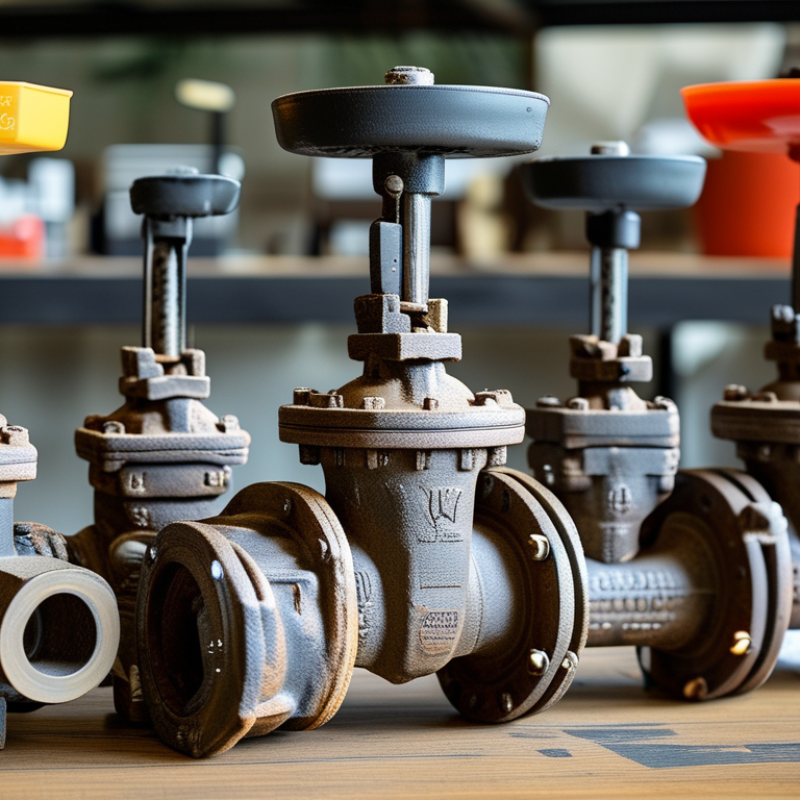
7 Tips for Choosing Cast Iron Valves?
Define the Valve’s Service Conditions and Operating Requirements
A cast iron valve should match the fluid, temperature, pressure, and operating frequency. Start with a written service profile, not a catalog shortcut. Record whether the line carries clean water, sewage, chemicals, or abrasive solids. Sediment can settle around the disc and increase closing torque. It can also damage sealing surfaces.
Check pressure carefully at start-up, shutdown, and pump failure. These events may create surges above normal working pressure. ASME B16.1 pressure-temperature ratings provide a useful design reference, while AWWA standards support water-service selection. The U.S. EPA’s 2023 Drinking Water Infrastructure Needs Survey estimates $625 billion will be needed over 20 years. That figure highlights the cost of choosing durable, maintainable components.
Operating conditions matter just as much. A valve used weekly has different wear risks from one adjusted several times daily. Confirm actuator torque, available space, flow direction, and access for inspection. In field reviews, an overlooked detail is often the handwheel position. A technically correct valve may still be unsafe or difficult to operate. That is not a minor issue. Document the decision, including assumptions and uncertainties. Cast iron can perform reliably, but it is not suitable for every corrosive fluid or severe pressure cycle. Recheck the specification before ordering.
| Tip | Service Condition | Operating Requirement | Selection Guidance | Key Verification Data |
|---|---|---|---|---|
| 1 | Fluid Type and Cleanliness | The valve must handle the fluid without excessive corrosion, erosion, blockage, or contamination. | Cast iron valves are commonly suitable for water, treated water, HVAC systems, and many neutral, nonflammable fluids. Avoid standard cast iron for highly corrosive chemicals, aggressive acids, or fluids containing abrasive solids unless the complete material construction is specifically approved. | Confirm fluid composition, pH, chloride level, suspended solids, concentration, and compatibility of the body, trim, seat, gasket, and coating. |
| 2 | Normal and Maximum Pressure | The valve pressure rating must exceed the highest sustained and transient pressure in the system. | Select a pressure class or rating based on the applicable standard and the valve’s pressure-temperature chart. Include pump shutoff pressure, static head, pressure surges, and possible water hammer in the design review. | Record design pressure, maximum working pressure, test pressure, pressure class, and the applicable rating standard. Do not use the test pressure as the allowable operating pressure. |
| 3 | Operating Temperature | The body, seat, stem seals, gaskets, and coatings must remain suitable at the minimum and maximum operating temperatures. | Use the manufacturer’s pressure-temperature limits rather than relying on pressure class alone. Standard cast iron is generally selected for moderate-temperature utility services; elevated temperature can reduce allowable pressure and affect elastomer performance. | Check minimum temperature, maximum temperature, start-up temperature, thermal cycling, gasket material, seat material, and the derated pressure rating at the operating temperature. |
| 4 | Flow Rate and Pressure Drop | The valve should provide the required flow without unacceptable energy loss, noise, vibration, or cavitation. | Choose the nominal size and valve type according to required flow and allowable pressure drop. Avoid selecting a valve solely by matching the pipe diameter; a larger or smaller valve may be appropriate depending on the system duty. | Compare required flow, minimum and maximum flow, velocity, pressure drop, flow coefficient, and cavitation risk. Confirm that the valve can operate reliably near its normal opening position. |
| 5 | Valve Function and Flow Direction | The valve must perform its intended isolation, throttling, non-return, or control function. | Use gate valves primarily for on-off isolation, globe or control valves for throttling, and check valves for preventing reverse flow. A valve designed for isolation should not be used for continuous throttling unless its design permits it. | Confirm required shutoff performance, flow direction, allowable installation orientation, minimum differential pressure, and whether the valve is normally open or normally closed. |
| 6 | Actuation and Operating Frequency | The actuator or handwheel must deliver adequate torque and operate safely under the expected cycle frequency. | Manual operation may suit infrequent isolation. For remote or frequent operation, evaluate electric, pneumatic, or hydraulic actuation and ensure the valve body, stem, packing, and actuator are compatible. | Check operating torque, breakaway torque, cycle frequency, fail position, available power, control signal, access space, manual override, and required open-close time. |
| 7 | Installation Environment and Maintenance | The valve must withstand the surrounding environment and remain accessible for inspection, testing, and replacement. | Consider indoor or outdoor exposure, humidity, soil contact, salt spray, vibration, freezing, and external corrosion. Select suitable coatings, end connections, drainage provisions, and replacement clearances. Cast iron is brittle compared with ductile iron or steel, so avoid impact loading and installation misalignment. | Confirm end connection standard, face-to-face dimension, pipe alignment, support requirements, bolt material, coating system, inspection access, spare-part availability, and compliance with the project specification. |