What Are the Top Pressure Valve Types?
Choosing the right Pressure Valve is not simply a matter of selecting the highest pressure rating. The valve must match the fluid, temperature, flow rate, pipe size, and failure risk. A small mismatch can cause leakage, unstable pressure, excessive noise, or costly equipment damage. That is why engineers usually compare valve purpose before comparing brands or prices.
This guide examines the most widely used pressure valve types, including relief valves, safety valves, reducing valves, control valves, and check valves. Each design responds differently when pressure changes. A relief valve may protect a pump from overpressure, while a reducing valve maintains safer downstream pressure. A check valve prevents reverse flow, but it does not regulate pressure continuously. The difference matters.
Look closely at the application.
In field inspections, technicians often find that installation details influence performance as much as valve selection. Incorrect flow direction, blocked discharge lines, poor calibration, and unsuitable materials can undermine an otherwise reliable valve. Manufacturers’ data sheets and recognized engineering standards should guide the final decision. Local operating conditions still require professional review.
There is no universal “best” valve. That idea sounds convenient, but it is incomplete. A compact brass valve may suit clean water, yet fail prematurely in abrasive or corrosive service. A sophisticated control valve may improve accuracy, but demand stronger maintenance skills and better instrumentation. The sections ahead compare operating principles, advantages, limitations, and common applications. They also highlight practical questions that buyers sometimes overlook before installation.
What Is a Pressure Valve and Why Is It Used?
A pressure valve is a mechanical device that controls fluid or gas pressure inside a system. It responds when pressure changes, then opens, closes, or adjusts flow. This protects pipes, vessels, pumps, and connected equipment from excessive force. It also supports stable operation during startup, shutdown, and changing demand. Without suitable control, a small pressure rise can become a costly failure.
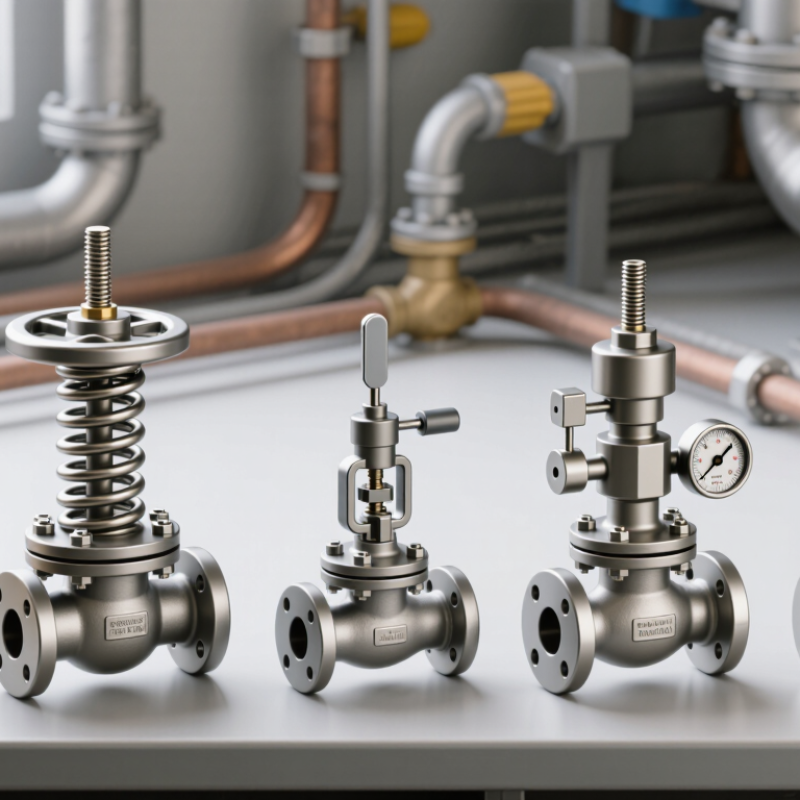
The main pressure valve types serve different purposes. Relief valves open when pressure exceeds a preset limit and release excess media. Safety valves perform a similar protective role, especially in systems containing compressible gases or steam. Pressure-reducing valves lower incoming pressure to a controlled outlet level. Backpressure valves maintain pressure upstream, while vacuum valves prevent damaging negative pressure inside tanks. Each design requires careful sizing, material selection, and setting.
A practical inspection lesson is simple: never judge a valve by appearance alone. A clean body may hide a weak spring, blocked passage, or incorrect adjustment. Engineers usually check pressure ranges, temperature, flow rate, fluid compatibility, and discharge routing before choosing a model. Gauges should be readable, connections should remain secure, and testing should follow recognized engineering procedures. No valve is universally best. A relief valve may protect equipment but still cause unstable cycling if its capacity or setting is poorly matched. That detail deserves more attention.
How Are Pressure Valves Classified by Their Operating Purpose?
What Are the Top Pressure Valve Types?
Pressure valves are best classified by operating purpose, not appearance. Pressure-reducing valves lower upstream pressure for safer downstream equipment. Relief and safety valves open when pressure exceeds a set limit. Back-pressure valves maintain minimum inlet pressure, while vacuum valves protect tanks from collapse during draining or cooling.
This functional view supports better valve selection. API 520 and ISO 4126 define important practices for sizing and protecting pressurized systems. A 2024 Fortune Business Insights report estimated the global pressure relief valve market at about USD 4.7 billion in 2023. The figure reflects demand from processing, energy, water, and manufacturing facilities. Yet market growth does not remove design uncertainty. Valve performance depends on fluid type, temperature, flow rate, set pressure, and discharge routing. A valve that works well on clean water may fail quickly with abrasive slurry. Real systems are messier.
Tip: Confirm the operating purpose first. Then check sizing data, allowable back pressure, materials, and inspection records. Field technicians should verify the actual set pressure, not trust an old label. Small details matter. For unusual gases or unstable flow, consult a qualified pressure-system engineer and the applicable local standard.
What Are the Main Types of Pressure Relief Valves?
Pressure relief valves protect equipment when internal pressure rises beyond a safe limit. The main types include spring-loaded relief valves, safety valves, safety relief valves, and pilot-operated valves. Each design responds differently to pressure, fluid behavior, and discharge requirements.
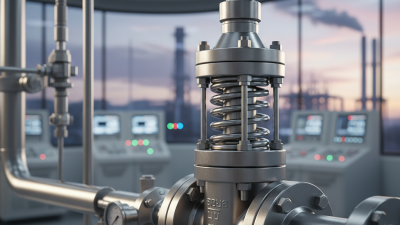
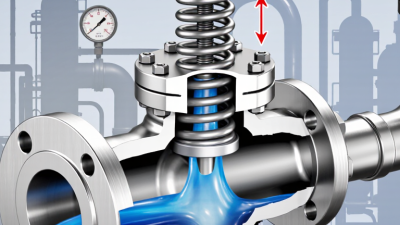
A spring-loaded relief valve uses a calibrated spring to hold the valve closed. It opens when pressure exceeds the set point, then reseats after pressure falls. This design suits many liquid systems, such as pumps, pipelines, and process vessels. A safety valve is commonly used with gases or steam. It opens sharply, helping release pressure quickly. A safety relief valve combines both functions and can handle liquids, gases, or mixed service.
Pilot-operated valves use system pressure to control the opening action. They can provide accurate performance in large vessels and high-pressure applications. However, small pilot passages may become blocked by dirt or heavy fluid. That detail is easy to overlook. Rupture disks are not valves, but they often work beside them as non-reclosing pressure relief devices.
Correct selection depends on set pressure, temperature, fluid phase, flow capacity, and back pressure. Field inspections should also check corrosion, blocked outlets, damaged springs, and incorrect installation. The discharge line needs safe routing and adequate support. Standards and local regulations must guide sizing, testing, and maintenance. A valve that looks suitable on paper may perform poorly in service. Real operating conditions deserve careful review.
How Do Pressure Reducing and Pressure Control Valves Work?
Pressure valves do more than stop a system from failing. They keep pressure stable when flow, temperature, or equipment demand changes. Common types include pressure reducing valves, pressure control valves, relief valves, safety valves, backpressure valves, and vacuum breakers.
A pressure reducing valve, or PRV, lowers high inlet pressure to a safer downstream level. It senses downstream pressure through a diaphragm, piston, or pilot system. When demand changes, the valve opening adjusts automatically. A spring-loaded model suits simple water or air lines. A pilot-operated model offers tighter control in larger systems. If the line is empty, however, the valve may respond differently than expected.
Pressure control valves use a broader control method. A pressure transmitter measures the process condition and sends data to a controller. The controller then moves an actuator to maintain the selected pressure. This arrangement can regulate upstream or downstream pressure. It also supports gradual adjustments during changing production loads. Relief valves open when pressure exceeds a set limit, while safety valves react quickly during dangerous overpressure. Backpressure valves maintain minimum inlet pressure.
During commissioning, technicians should verify the setpoint, flow direction, gauge accuracy, and impulse-line cleanliness. A perfect setting on paper can perform poorly in a vibrating pipe. I have seen unstable pressure caused by an undersized valve and a blocked sensing passage. That small mistake matters. Regular testing and documented adjustments improve reliability.
How Should You Choose the Right Pressure Valve for an Application?
Choosing a pressure valve begins with failure analysis, not catalog browsing.
A safety or relief valve protects equipment from overpressure. A reducing valve maintains lower downstream pressure. A control valve manages flow while pressure changes. A vacuum breaker prevents collapse during draining or cooling. These functions overlap, but they are not interchangeable.
Grand View Research’s 2023 Industrial Valves Market report estimated global demand at 78.8 billion dollars in 2022. This shows a large and varied market. That number does not make selection easier.
Match valve behavior to process facts.
Record normal, minimum, and maximum pressure, temperature, fluid phase, viscosity, corrosiveness, and expected flow. Then calculate capacity for the credible relief scenario. ASME BPVC Section VIII and ISO 4126 provide recognized frameworks for sizing pressure-relief devices. For steam, gas, liquid, or two-phase flow, the calculation method can change sharply. Materials matter too. A stainless body may resist corrosion, while an elastomer still swells.
I have seen teams choose by line size alone. It is fast, and often wrong.
Check set pressure against the weakest component, not the strongest pipe.
Tips:
Ask what happens after failure. Does the valve fail open, fail closed, or lock? Confirm discharge routing, backpressure, noise, temperature, maintenance access, and calibration intervals. Use certified test data when available. Review the choice with a qualified engineer. A pilot-operated valve may perform well in clean gas, yet respond poorly with debris or sticky liquid. Recheck assumptions after commissioning. Field conditions rarely match the spreadsheet perfectly.